We adopt a comprehensive SEO strategy, rooted in your customers' behavior, to help you attract interested and qualified customers from Google, Bing, Yahoo, and other search engines.
SEO Audit: We use industry-leading digital tools to analyze the on-page and off-page SEO elements and identify the opportunities for optimization.
Keyword Strategy: Using Google Keyword Planner, AHREFS, MOZ, and other cutting-edge tools, we find the most effective keywords to drive your SEO.
Competitor Research: We track your competitor's SEO performance and the keywords driving them traffic as well as exploit the weaknesses in their strategy.
Our Role in Your Digital Growth:
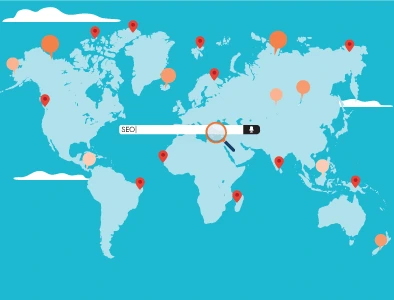
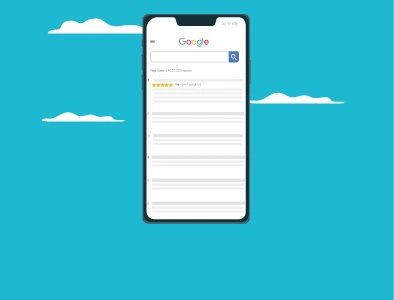
Google SEO: Google claims more than 91% of all internet searches. We follow Google's recommendations and apply our knowledge that we have gained over a decade of experience in everything Google.
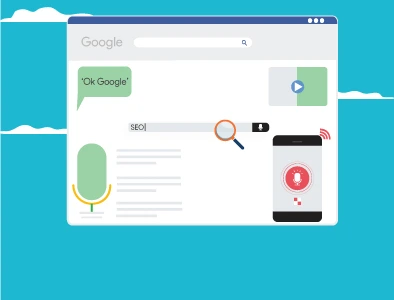
Mobile SEO: Over 90% of the global internet population uses mobile devices to go online. We target long-tail keywords and voice queries to get you higher rankings on mobile SERPs.
Local SEO: Nearly half (46%) of all Google searches have a local intent. We establish a strong local presence for your business to get you local customers who are ready to buy.
We help you drive more traffic from all search platforms your customers may be using, including YouTube, the App Store, Play Store, Amazon, Facebook, and other local and international channels.
- Use your focus keywords to optimize content across all channels
- Conduct YouTube keyword research to develop the right YouTube strategy
- Optimize your App Store, Amazon, and eBay listings
- Enhance page quality and content on Facebook, LinkedIn, and other social networks
- Utilize keywords as hashtags on Instagram, Twitter, and other platforms
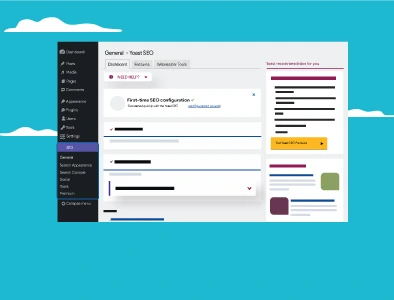
Technical SEO helps search-engine spiders crawl, interpret, and index all of the pages on your website, which can lead to a higher page rank.
- Create and submit an XML sitemap
- Use schema markup to highlight different types of content, such as reviews, addresses, and phone numbers
- Ensure your website is mobile-friendly according to Google's requirements
- Reduce page loading times by optimizing image sizes, minimizing HTTP requests, minifying CSS and scripts, and cleaning up HTML code
- Define canonical pages and redirects, and fix broken links and 404 errors