





Let’s paint a picture. Someone needs exactly what your brand offers. They don’t open Google. They pull up ChatGPT, ask their question and get a clean answer back in seconds. That answer name-drops a couple of brands confidently.
Yours isn’t one of them. No impression. No click. Not even a fighting chance. The decision is practically made before they’ve looked at a single website.
This isn’t some distant worst-case scenario. This is playing out right now, for real brands, on a daily basis. The ones who haven’t clocked it yet are slowly losing ground to the ones who have.
That’s the reality that gave Generative Engine Optimization its purpose.
So, What Exactly Is Generative Engine Optimization?
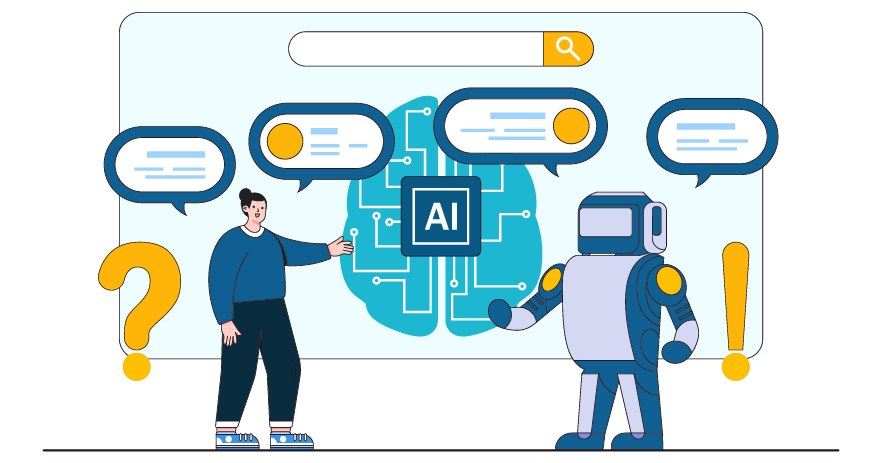
Generative Engine Optimization (GEO) is simply the practice of making sure your content gets picked up, referenced and cited by AI-powered tools like ChatGPT, Google’s AI Overviews, Perplexity and Claude when they answer a user’s question.
Classic SEO put you on a results page. GEO puts you inside the answer.
That gap is bigger than it looks. When someone asks an AI a question, they’re not sitting there weighing up ten different links. They’re reading one response, trusting it and moving on. Whoever gets mentioned in that response wins the moment. Everyone else simply wasn’t there.
Generative Engine Optimization is the work of making sure you’re the source the AI reaches for.
Why You Should Care About This Right Now?
Fair question. Google’s AI Overviews are showing up across an enormous slice of everyday searches. Perplexity is growing faster than most people expected, particularly with younger audiences who’d genuinely rather ask an AI than sift through a page of results.
These aren’t casual browsers. These are buyers. People mid-research, weighing up options and building shortlists. If the AI hands them a competitor’s name and skips yours entirely, that shortlist was formed without you ever knowing.
For any martech agency that actually cares about client growth, that’s not a future problem to monitor. That’s a present problem with a present solution.

Does GEO Replace SEO? Honestly, No.
We hear this one often, so let’s address it properly.
Your backlinks still count. Domain authority still matters. The technical health of your site, page speed and structured crawling, all of it remains relevant. Search Engine Optimization (SEO) isn’t going anywhere.
But GEO asks a different question on top of all that. Not “can search engines find this?” but “would an AI engine trust this enough to quote it?”
That’s a more human question. And the answer requires genuinely human content.
Here’s what actually makes a difference:
Lead with the answer: AI systems have little patience for long wind-ups. Content that takes half a page to get to the point doesn’t perform well in generative search. Say the useful thing early and earn the reader’s trust from the first paragraph.
Be specific, not safe: Vague content that hedges everything and says nothing memorable doesn’t get cited. Content with real data, clear positions and genuine insight does. AI looks for substance. It’s surprisingly good at recognising when it’s missing.
Cover topics properly: A piece that genuinely explores a subject signals expertise far more convincingly than one that repeats a keyword and calls it a day. Go deep. Be the most useful source on something, rather than a surface-level source on everything.
Show up beyond your own site: When your brand appears consistently in trusted publications, relevant communities and industry conversations, AI engines start drawing a connection between your name and a specific area of knowledge. That kind of authority builds slowly but sticks hard.
Help AI understand your content: Clear authorship, publication dates, topic metadata and structured data markup. The more context you give AI systems about what your content is and why it’s reliable, the better your odds of being surfaced at the right moment.
Where Most Brands Actually Stand
Most content teams are still running a strategy that made complete sense five or six years ago. That’s not a criticism, it’s just how inertia works. The old playbook is familiar and it still produces some results, so it stays.
But here’s the opportunity hiding inside that reality. The space inside AI-generated answers is still relatively uncrowded. Not forever, but right now there’s genuine room to move. Brands that start building GEO-ready content today will feel like obvious, established choices to AI engines by the time everyone else figures out what’s happening.
A thoughtful martech agency doesn’t wait for a trend to become unavoidable before talking to clients about it. It gets brands into position while there’s still meaningful space to lead.
A Practical Starting Point
Go back and read your last five pieces of content like a stranger would. Do they answer a real question clearly? Do they feel credible? Is there something specific and useful in each one, or do they mostly exist to tick a publishing box?
If the honest answer is somewhere between “sort of” and “not really,” that’s not a disaster. That’s just where the work begins.

What Nians Does With All of This
Generative Engine Optimization rewards brands that are willing to think a step ahead and build content that genuinely earns trust, not just rankings.
Nians works as a martech agency that keeps one eye firmly on where digital is heading. Helping brands become the sources that AI engines reach for, in the moments that actually matter to their audience, is exactly the kind of work we do. If your brand wants to show up in the answers people are already getting, we should talk.
The next chapter of search is being written right now. Let’s make sure your brand has something worth quoting in it.


 230